
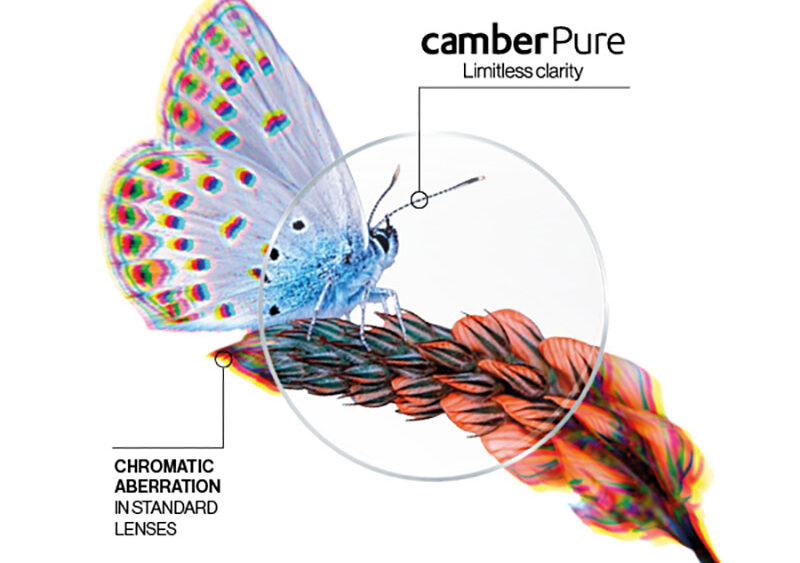
When patients invest in premium lenses, they expect crisp, comfortable vision from the moment they put their glasses on. But even with today’s advanced materials, some wearers still experience issues like blurry edges, color fringing, glare, or eye strain, especially in high-index or polycarbonate lenses.
That challenge was recently highlighted in IOT Free-Form Insights Part 58 from 20/20 Magazine, which explored how Abbe value and chromatic aberration affect visual clarity in modern ophthalmic lenses.
For eye care professionals, it’s an important reminder that lens performance is about more than just prescription accuracy. The material and design technology behind the lens can dramatically influence the patient experience.
Why Chromatic Aberration Still Causes Problems
Chromatic aberration happens when different wavelengths of light fail to focus at the same point inside the eye. Patients often describe this as halos, rainbow edges around objects, softer detail, or general visual fatigue.
According to the article, these effects become more noticeable in materials with lower Abbe values, such as polycarbonate and many high-index lenses.
The tradeoff is familiar to most opticians and ECPs:
- Patients want thinner, lighter lenses
- Higher-index materials improve cosmetics
- But optical compromises can sometimes follow
That’s especially true for progressive wearers, patients with stronger prescriptions, or anyone spending long hours on digital devices.
New Lens Technology Is Reducing the Tradeoffs
The article focuses on IOT’s CamberPure™ lenses with CART technology, designed to reduce chromatic aberration while maintaining the cosmetic advantages of modern lens materials. Instead of optimizing lenses for a single wavelength of light, the technology uses multi-wavelength optimization to improve clarity across the visible spectrum.
In practical terms, that can mean:
- Sharper peripheral vision
- Reduced color fringing
- Better contrast sensitivity
- Easier adaptation to progressives
- Less visual fatigue during screen use
For independent practices, technologies like this create more opportunities to deliver a premium patient experience without sacrificing aesthetics or comfort.
Patients Notice the Difference
One of the biggest takeaways from the article is that patients are becoming increasingly sensitive to visual comfort. Many wearers may not understand terms like “Abbe value” or “transverse chromatic aberration,” but they absolutely notice when their glasses feel easier to wear.
That’s why lens conversations at dispense continue to matter. Helping patients understand the balance between cosmetics, durability, and optical performance can improve satisfaction and reduce non-adapts.
And for practices competing against large retail chains, offering advanced lens technology backed by knowledgeable recommendations can be a major differentiator.
Partner with a Lab That Helps You Deliver Better Vision
Today’s patients expect more from their eyewear, and the right lens technology can make a noticeable difference in comfort, clarity, and overall satisfaction. At Allentown Optical, we help eye care professionals stay ahead with advanced lens solutions, expert support, and real people who understand the importance of getting every job right.
Whether you’re looking for premium progressive designs, digital lens technology, or personalized recommendations for challenging prescriptions, our team is here to help you deliver the best possible patient experience.
Explore our full range of optical lens solutions today: allentownoptical.com/products/optical-lenses/