
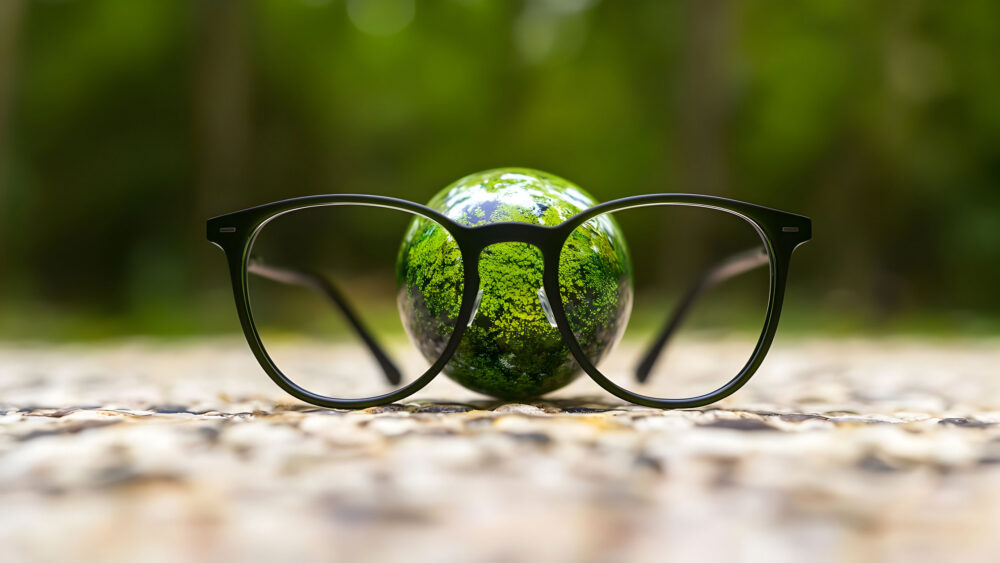
Earth Day is a great reminder that meaningful change often starts with the small decisions we make every day. In the optical world, those decisions happen at the lab bench, in the exam room, and at dispense. While sustainability may not always be the first thing that comes to mind when selecting lenses or materials, it is becoming an increasingly important part of how practices operate and how patients choose where to go for care.
For eye care professionals, Earth Day presents an opportunity to take a closer look at how everyday processes can become more thoughtful, efficient, and environmentally conscious without compromising quality or patient outcomes.
Rethinking Materials and Manufacturing
Advancements in lens technology have opened the door to materials that are not only high performing but also more mindful of environmental impact. From more efficient production processes to reduced waste during surfacing and finishing, many labs are continually improving how lenses are made behind the scenes.
Even small efficiencies in manufacturing can add up over time. Reducing remakes through precise measurements, improving communication between practice and lab, and selecting the right lens the first time all contribute to less waste and a smoother experience for both the practice and the patient.
Packaging with Purpose
Packaging is another area where the optical industry is evolving. Many labs are exploring ways to minimize excess materials while still ensuring lenses arrive safely and securely. Streamlined packaging, recyclable materials, and reduced bulk shipments all play a role in lowering environmental impact.
For practices, consolidating orders when possible and being mindful of shipping frequency can further support these efforts. It is a simple shift that can make a noticeable difference over time.
Educating Patients Without Overwhelming Them
Patients are becoming more aware of sustainability, but that does not mean every conversation needs to turn into a deep dive on environmental science. A thoughtful, straightforward approach can go a long way.
When appropriate, sharing that certain lens options or coatings are produced with efficiency and care can resonate with patients who value responsible choices. The key is to keep the focus on performance and lifestyle benefits while naturally weaving in the added value of sustainability.
Extending Product Lifecycles
Durability plays a quiet but important role in sustainability. Lenses that resist scratches, repel smudges, and maintain clarity over time help reduce the need for frequent replacements. Guiding patients toward options that support long term wear is not only good for their experience, it also helps minimize waste.
Proper care education is just as important. When patients understand how to clean and store their eyewear correctly, they are more likely to extend the life of their lenses.
Partnering with the Right Lab
At Allentown Optical, attention to detail and a commitment to quality go hand in hand with a mindful approach to how work gets done. From reducing unnecessary remakes to maintaining consistent, reliable production, the focus is always on doing things the right way. That naturally leads to less waste and better outcomes for everyone involved.
Sustainability is rarely the result of one single effort. It is built through partnerships. Working with a lab that values efficiency, precision, and thoughtful processes can make it easier for practices to align with these goals.
A Practical Approach to Progress
Earth Day is not about perfection. It is about progress. In the optical field, that progress shows up in better materials, smarter workflows, and more intentional choices at every step.
By focusing on accuracy, durability, and efficiency, eye care professionals can make a positive impact without adding complexity to their day. And in many cases, those improvements also enhance patient satisfaction and practice performance.
Small shifts lead to meaningful change. In optical, those shifts are already happening.