
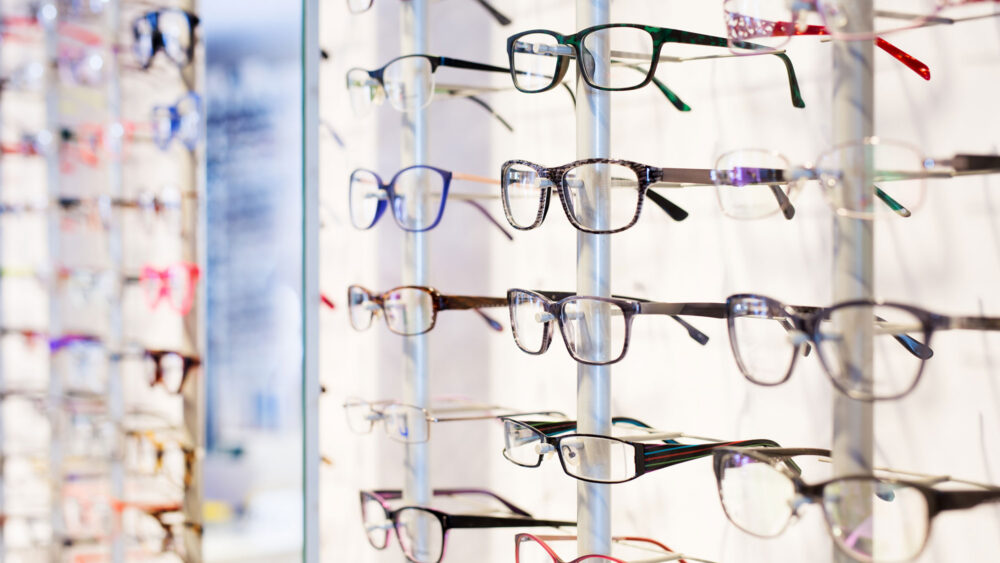
When patients think about their new eyewear, they often focus on style first and lenses second. As eye care professionals, you know the truth. The frame is not just a fashion statement. It plays a critical role in how well the final eyewear performs.
Proper frame selection directly impacts lens accuracy, visual comfort, durability, and overall patient satisfaction. When the right frame is chosen from the start, the finished product looks better, fits better, and performs exactly as intended.
Frame Fit Affects Optical Accuracy
With today’s advanced digital lens designs, measurements matter more than ever. Progressive lenses, occupational designs, and high prescriptions all rely on precise centration and fitting heights. If the frame does not sit properly on the patient’s face, even the most advanced lens design can underperform.
A frame that slides down the nose, sits unevenly, or requires excessive adjustment after the fact can throw off optical alignment. Selecting a frame that fits well before measurements are taken ensures more accurate results and fewer non adapt issues.
Lens Thickness and Aesthetics
Frame size and shape significantly influence lens thickness and overall appearance. For higher prescriptions, a larger eye size can result in thicker edges or noticeable lens magnification. Choosing a frame with an appropriate eye size and a shape that closely matches the patient’s pupillary distance helps minimize these concerns.
For minus prescriptions, smaller and rounder frames often reduce edge thickness. For plus prescriptions, careful selection can help control center thickness and weight. Taking a few extra moments to consider lens aesthetics during frame selection can prevent disappointment at dispense.
Material Matters
Not all frames are equally suited for every lens type. Certain materials may not be ideal for rimless mountings or drill mounts. Some lightweight or flexible frames may not provide the stability needed for higher powered lenses.
Understanding how different materials interact with lens weight and thickness can help you avoid stress points, premature wear, or alignment issues. A strong partnership with your lab can also provide guidance when you are unsure whether a specific frame is the best choice for a particular prescription.
Supporting Premium Lens Designs
Premium progressives and specialty lenses require adequate fitting depth. A shallow frame may limit corridor length or compromise near vision performance. Ensuring the frame has sufficient vertical depth allows the full design of the lens to function as intended.
Discussing these considerations with patients during frame selection reinforces your expertise and builds confidence in your recommendations.
Reducing Remakes and Increasing Satisfaction
Many remakes stem from issues that begin at frame selection. Poor fit, insufficient depth, or inappropriate sizing can lead to comfort complaints or visual dissatisfaction. Thoughtful frame selection reduces these risks and contributes to smoother deliveries and happier patients.
At the end of the day, finished eyewear quality is not just about the lenses. It is the result of careful collaboration between the practice and the lab, starting with the right frame. When frame selection is treated as a clinical decision as well as a style choice, the outcome speaks for itself.
Better frame choices lead to better eyewear. And better eyewear leads to patients who return and refer.
Contact Allentown Optical to talk directly with experienced lab technicians who are here to help you avoid remakes, troubleshoot challenging jobs, and deliver eyewear your patients will love. Whether you’ve got a quick question or a complex case, a real person is always ready to help.